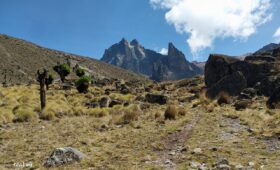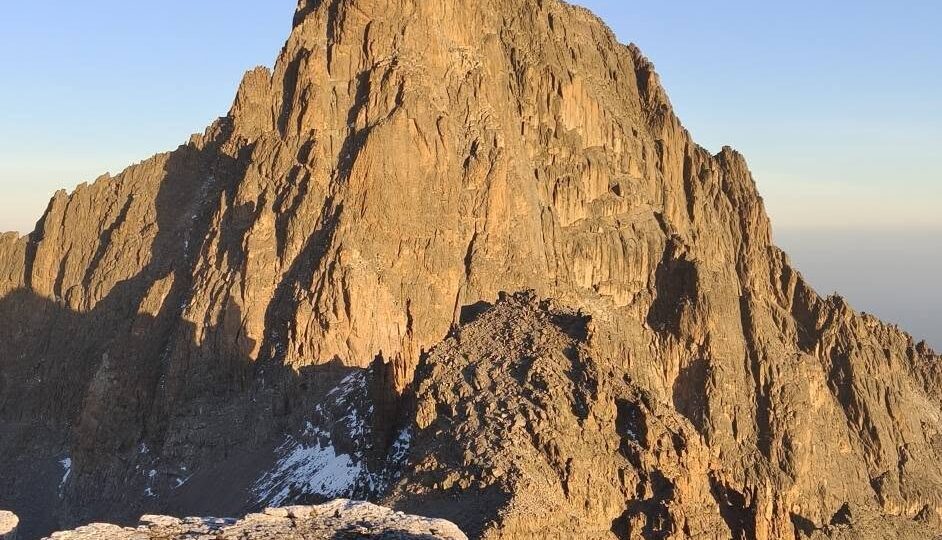
Comparing the official Mount Kenya trekking routes directly impacts your acclimatization, visual scenery, and overall summit success. Specifically, the three primary paths are Sirimon, Chogoria, and Naro Moru. Naturally, each of these options possesses a unique character and distinct physical demands.
Whether you aim to reach Point Lenana (4,984 m) or simply explore the high moorlands, this comprehensive guide breaks down every option honestly. Consequently, you can select the ideal itinerary based on your fitness level, timeframe, and personal priorities.
Quick Answer: Which Mount Kenya Trekking Routes Are Best?
For most first-time mountain trekkers, we strongly recommend combining two paths: ascending via the Sirimon Route and descending along the Chogoria Route. First, Sirimon provides a gentle, progressive incline that supports steady high-altitude adaptation. Afterwards, descending through Chogoria treats you to the mountain’s most jaw-dropping landscapes.
However, if you have limited time and already possess solid high-altitude experience, Naro Moru offers a significantly more direct path toward the summit.
Mount Kenya Trekking Routes at a Glance
To help you compare your options quickly, we have summarized the core differences below.
| Route | Best For | Difficulty | Main Advantage | Consideration |
|---|---|---|---|---|
| Sirimon | First-time trekkers | Moderate | Gradual ascent and good acclimatization | Less dramatic than Chogoria |
| Chogoria | Scenery and photography | Moderate | Lakes, valleys and spectacular landscapes | Access logistics can be more involved |
| Naro Moru | Shorter itineraries | Moderate to challenging | Direct approach to the high mountain | Steeper and less forgiving for acclimatization |
Which Trail Should You Choose?
Opt for Sirimon if…
- This is your very first high-altitude expedition.
- A steady, gradual approach matters most to you.
- Acclimatization remains your top priority.
- You prefer walking along well-established mountain paths.
Opt for Chogoria if…
- Dramatic landscapes are your absolute priority.
- High alpine tarns, gorges, and waterfalls excite you.
- Incredible photography opportunities are essential.
- Combining different paths for a full traverse fits your plan.
Opt for Naro Moru if…
- Time on your overall travel schedule is limited.
- High physical fitness and prior altitude experience are already secured.
- A direct ascent path toward Point Lenana suits your style.
- Shorter timelines and steeper ascents are within your comfort zone.
1. Sirimon Route: The Gradual Ascent
Approaching Mount Kenya from the dry northwest, the Sirimon Route remains one of the most reliable options for reaching Point Lenana. Furthermore, its primary advantage lies in its gentle elevation gain.
Because high altitude affects everyone differently, choosing gradual paths gives your body extra time to adapt, which is far more critical than picking the shortest trail. Consequently, Sirimon records high summit completion rates year after year.
Why choose Sirimon over other options?
- First-time climbers gain a steady and predictable ascent profile.
- Gradual elevation gain reduces the initial impact of thin air.
- Wide vistas across the northern high-altitude plateau offer great views.
- Seamless connections with Chogoria create ideal traverse options.
- Direct access to Mackinder Valley and Shipton’s Camp streamlines logistics.
Typical Sirimon route sequence
Sirimon Gate → Old Moses Camp → Mackinder Valley → Shipton’s Camp → Point Lenana
Although daily distances vary by itinerary, choosing a sensible pace over speed always yields better comfort and safety.
2. Chogoria Route: The Most Scenic Option
If stunning views are your main focus, Chogoria stands in a class of its own among all Mount Kenya trekking routes. Traversing the eastern slopes, this trail wanders through lush forests, vibrant moorlands, towering vertical cliffs, and sparkling glacial tarns.
Chogoria highlights
- Gorges Valley drops dramatically beneath towering alpine cliffs.
- Lake Ellis provides tranquil reflections and stunning camp spots.
- Lake Michaelson delivers perhaps the most iconic view on the mountain.
- Hall Tarns offer surreal cliff-edge vistas overlooking the valley below.
- High-altitude landscapes shift dramatically at every turn.
- Photographers encounter endless natural light and unique framing choices.
In addition, Chogoria shines brightest when incorporated into a complete mountain traverse. Instead of backtracking down the same path, you experience entirely new landscapes across different trails every single day.
3. Naro Moru Route: The Direct Path
Trekkers seeking the quickest access to the peak frequently choose Naro Moru. While this western approach saves valuable time on tight schedules, a faster route requires stronger physical endurance.
In particular, trekkers must cross the famous Vertical Bog—a steep moorland section that becomes notoriously muddy during damp conditions.
Who should consider Naro Moru?
- Experienced hikers who comfortably manage rapid altitude gains.
- Time-conscious travelers seeking a compressed mountain itinerary.
- Trekkers already acclimatized from recent high-altitude trips.
- Hikers preferring direct ascent over expansive side excursions.
Therefore, first-time mountain climbers should avoid rushing up Naro Moru simply to save a day. In contrast, spending adequate time at altitude remains key to avoiding mountain sickness.
Sirimon vs Chogoria: Comparing Your Options
Rather than competing, Sirimon and Chogoria actually complement each other seamlessly as a combined trek.
| Factor | Sirimon | Chogoria |
|---|---|---|
| Acclimatization | Excellent option | Good with a suitable itinerary |
| Scenery | Excellent | Exceptional |
| First-time trekkers | Strong choice | Good with the right itinerary |
| Photography | Excellent | Exceptional |
| Best combination | Ascend | Descend |
As a result, the ultimate experience is not choosing between individual paths, but rather combining Sirimon and Chogoria into a single grand journey.
Sirimon vs Naro Moru: Evaluating Ascent Rates
The primary distinction between these two trails is the rate of ascent. For instance, while Sirimon emphasizes smooth, gradual acclimatization, Naro Moru prioritizes speed and direct elevation gain.
For this reason, we consistently advise first-time Mount Kenya climbers to choose the extra acclimatization time offered by Sirimon over steeper trails.
Combining Mount Kenya Trekking Routes: Sirimon Up & Chogoria Down
Executing a full traverse across two distinct paths provides an unmatched reward: you explore two completely different ecosystems on a single expedition.
- Begin on the Sirimon side to gain altitude easily.
- Ascend gradually through the mountain’s high-altitude landscape.
- Spend adequate time acclimatizing at high camps.
- Attempt Point Lenana before sunrise for incredible dawn views.
- Descend toward the Chogoria side along stunning alpine paths.
- Experience the spectacular Gorges Valley and eastern landscapes.
Ultimately, this combination of Mount Kenya trekking routes delivers the ultimate harmony of high safety standards, steady physical adaptation, and world-class scenery.
Ask Trekwise to Recommend the Best Mount Kenya RouteHow Difficult Is Trekking Mount Kenya?
Although reaching Point Lenana requires no technical rock climbing skills, traversing high-altitude trails remains a serious physical expedition.
Specifically, the physical difficulty stems from cold mountain temperatures, long trekking hours, thin air, and steep alpine terrain.
What affects difficulty?
- Total mountain days dedicated to acclimatization.
- Individual physiological response to thin air elevation.
- Prior hiking exposure on uneven alpine trails.
- Overall cardiovascular fitness and core endurance.
- Unpredictable high-mountain weather shifts.
- Specific elevation profiles across selected trails.
- Weight carried inside your personal daypack.
How Many Days Do You Need on the Mountain?
Selecting the right duration for your trek depends on your past mountain experience. Generally, longer itineraries provide superior acclimatization and create a far more enjoyable trekking atmosphere.
| Trip style | Typical approach | Best for |
|---|---|---|
| Short itinerary | Fewer mountain days | Experienced, fit trekkers with limited time |
| Standard itinerary | 4–5+ mountain days | Most trekkers |
| Acclimatization-focused | 5–7+ days | Trekkers prioritizing a more gradual experience |
Meanwhile, pay close attention to where you sleep each night rather than focusing solely on total days.
Point Lenana vs Batian and Nelion
When planning your climb, understanding summit distinctions is vital. For example, the standard non-technical destination across all standard Mount Kenya trekking routes is Point Lenana (4,984m).
In contrast, Batian (5,199m) and Nelion (5,188m) are true technical peaks requiring trad climbing gear, ropes, and multi-pitch rock experience.
Therefore, unless you specifically book a technical climbing guide, your primary objective on standard trekking packages will be Point Lenana.
Best Time to Explore Mount Kenya
While the mountain is accessible year-round, seasonal weather shifts directly impact trail mud, mountain visibility, and general warmth.
Consequently, reviewing seasonal climate trends with your operator ensures you select the optimal window for your adventure. In addition, you can review official guidelines directly from the Kenya Wildlife Service.
Before booking, ask:
- What are current trail conditions across the higher camps?
- Which seasonal weather pattern is currently expected?
- How well does this itinerary match my travel dates?
- Are enough dedicated acclimatization days integrated into the schedule?
- What contingency plans exist if weather forces itinerary shifts?
How Much Does a Mount Kenya Trek Cost?
Overall package prices vary based on trip length, chosen trails, park fees, vehicle transfers, and mountain staff ratios.
However, travelers should exercise extreme caution with ultra-cheap packages. Furthermore, budget operators often cut costs on guide training, safety gear, or fair staff wages.
Ask whether your quote includes:
- Official Kenya Wildlife Service entrance and camping fees.
- Certified, highly trained mountain guide leadership.
- Porters supporting baggage transport and trail setups.
- Hut accommodation or mountain tenting setups.
- Nutritious, high-energy mountain meals daily.
- Ground transportation directly connecting to trailheads.
- High-quality communal camping equipment where necessary.
- Emergency evacuation protocols and medical safety support from AMREF Flying Doctors.
- Fair mountain staff remuneration and ethical tipping guidance.
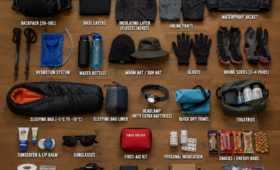
What to Pack for Your Expedition
Because mountain weather changes rapidly from warm rainforests to freezing alpine peaks, proper technical layering is mandatory for all Mount Kenya trekking routes.
- Waterproof, broken-in hiking boots
- Warm fleece or down insulating layers
- Breathable waterproof jacket and trousers
- Moisture-wicking base layers
- Thermal hat and windproof gloves
- Bright headlamp with extra batteries
- UV protection sunglasses
- High SPF sunscreen and lip balm
- Durable water bottles or hydration bladder
- Adjustable trekking poles
- Comfortable daypack for personal gear
- Personal medical kit and medication
Furthermore, your licensed operator should send you a complete packing guide tailored specifically to your chosen itinerary and seasonal conditions.
Safety on the Mountain
Safety must always remain the top priority on high-altitude treks. Furthermore, a certified guide does far more than navigate the path; they monitor oxygen levels, pace the group, and make critical safety decisions.
Good acclimatization practices include:
- Maintaining a slow, steady “pole pole” trekking rhythm.
- Allowing sufficient time for high-altitude physiological adaptation.
- Drinking plenty of fluids throughout each day.
- Sharing physical health symptoms immediately with your guide.
- Descending willingly whenever health conditions demand it.
Above all, reaching the summit should never take priority over personal health.
Mount Kenya National Park Access
Specifically, the Kenya Wildlife Service maintains Sirimon Gate, Naro Moru Gate, and Chogoria Gate as the three official road access points for primary trailheads.
Because park regulations and entrance fees update periodically, always verify the latest requirements prior to arrival.
Frequently Asked Questions About Mount Kenya Routes
What is the best route for beginners?
Sirimon is usually the best choice for beginners due to its gentle incline. Ultimately, picking an itinerary with sufficient acclimatization time matters far more than simply selecting the shortest trail.
Which trail has the best scenery?
Chogoria is widely recognized as the most scenic option because it features sweeping valleys, waterfalls, tarns, and sheer cliffs.
Which route is the fastest?
Naro Moru offers the most direct access to Point Lenana. However, a shorter timeframe leaves less time for proper high-altitude adaptation.
Can I combine different paths?
Yes, combining routes is highly recommended. Ascending via Sirimon and descending via Chogoria allows you to experience two distinct sides of the mountain.
Do I need technical climbing skills?
Technical skills are not needed for Point Lenana. However, scaling Batian or Nelion requires specialist multi-pitch rock climbing equipment and experience.
How high is Point Lenana?
Point Lenana sits at 4,984 meters above sea level and serves as the main trekking summit of Mount Kenya.
How many days should I spend trekking?
Most trekkers spend 4 to 6 days on the mountain. Generally, adding an extra day improves acclimatization and overall comfort significantly.
Not Sure Which Mount Kenya Trekking Routes Are Right for You?
Share your travel dates, physical fitness, and available timeframe with our expert local team. Consequently, we will design a personalized itinerary tailored precisely to your goals.
Choose your route with confidence — then let us handle the mountain logistics.
Plan My Mount Kenya Trek